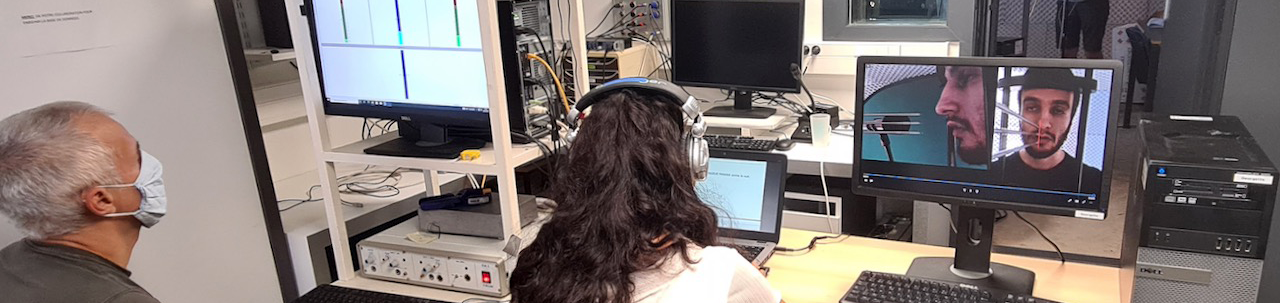
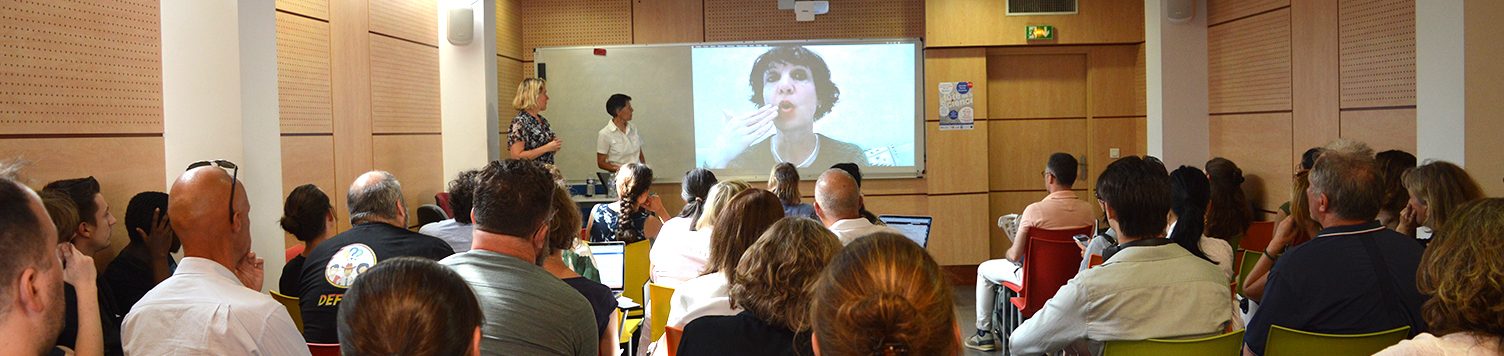
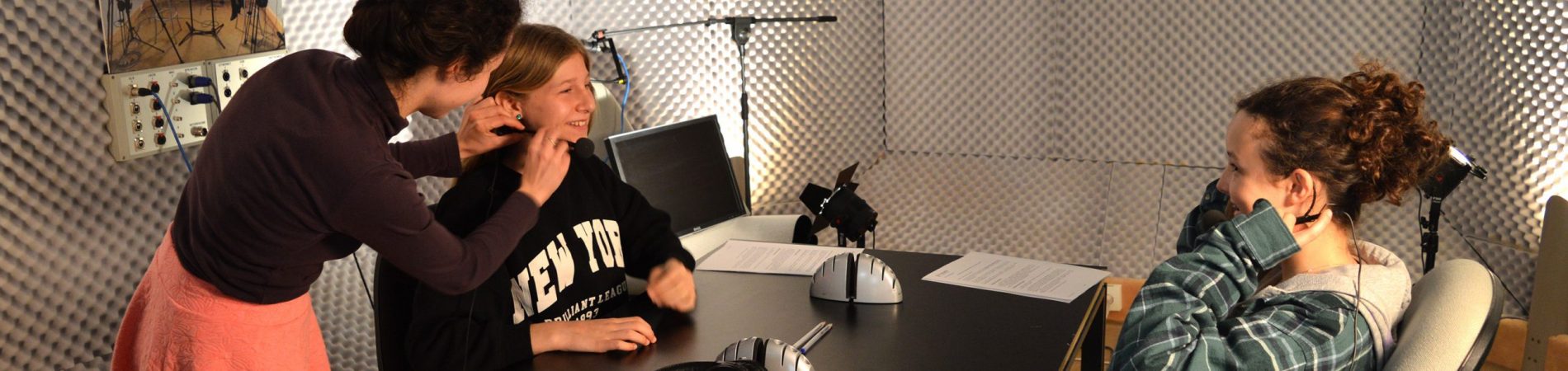
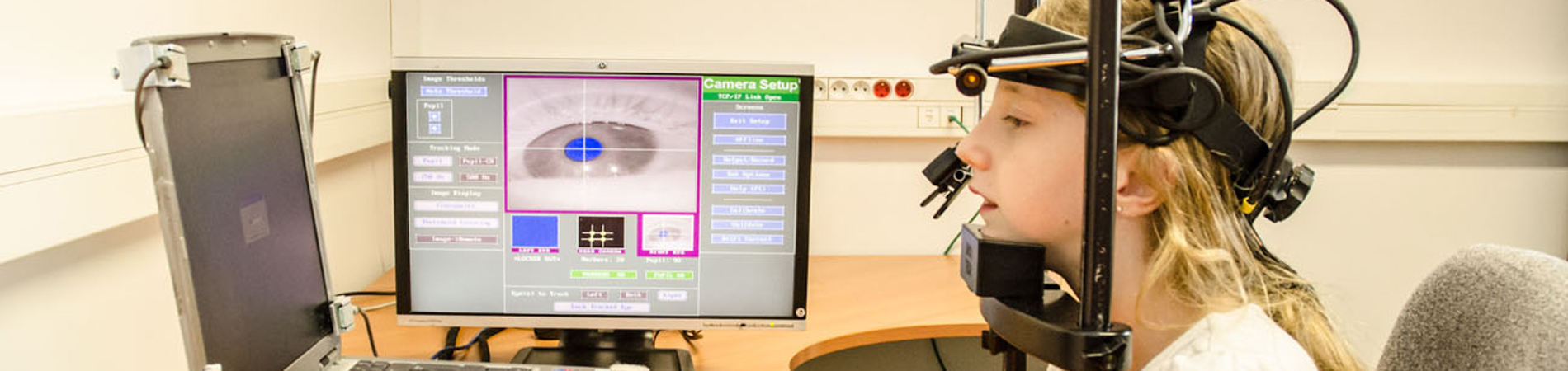

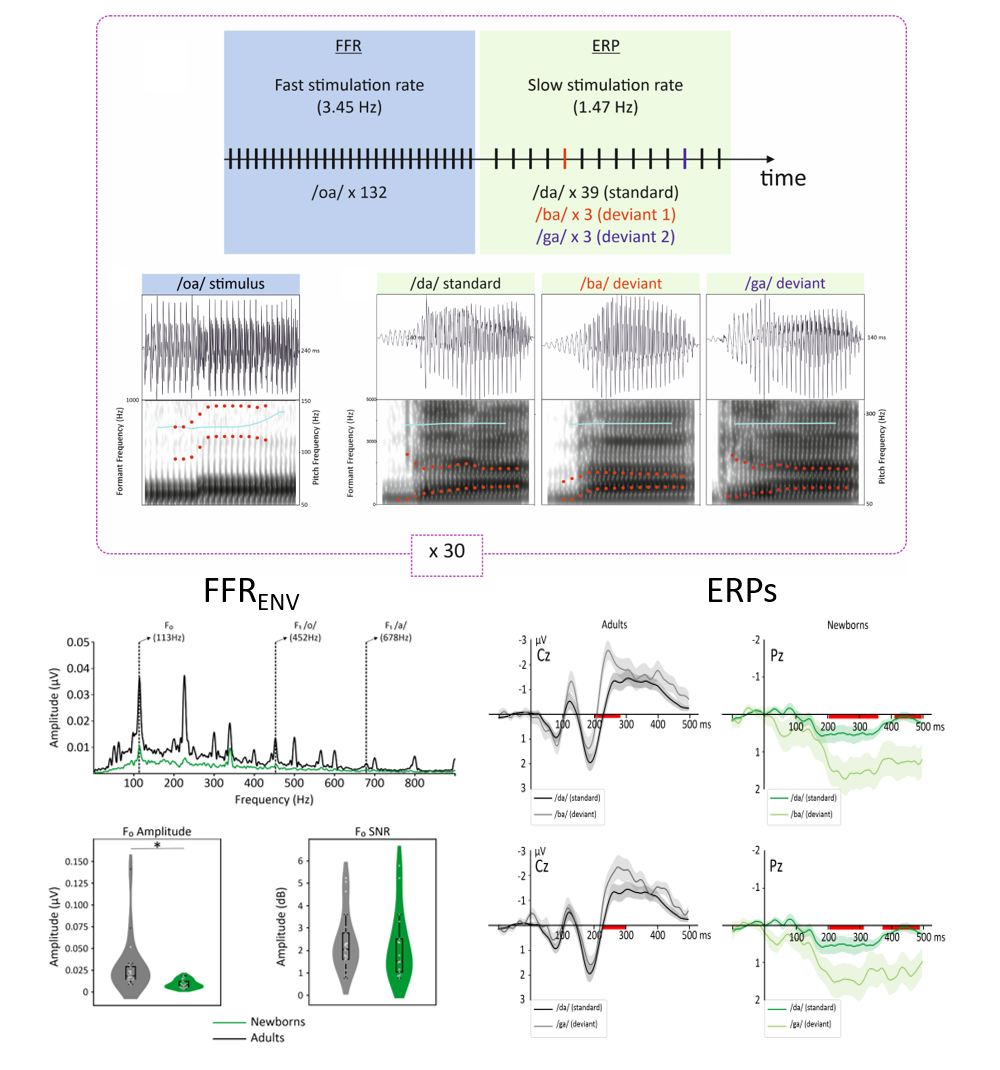
Giulia Danielou, doctoral student at the LPL, has just published her first study within the scientific project BABYLANG..
A lire aussi
Fidelia Ibekwe awarded Honorary Professor at University College London
04 February 2026
par Claudia Pichon-Starke
Vol. 42 (2026) of the journal Études Créoles now available!
30 January 2026
par Claudia Pichon-Starke
Learning new words after a stroke at birth
16 January 2026
par Claudia Pichon-Starke
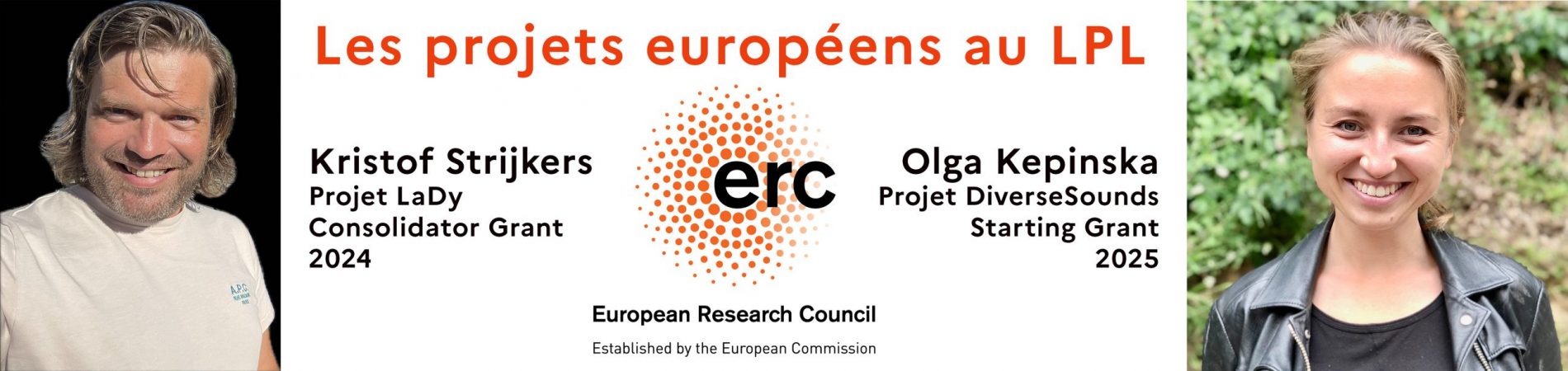
Awardee of the ERC Starting Grant 2025, Olga Kepinska is honoured by the CNRS
09 January 2026
par Claudia Pichon-Starke
The LPL at the heart of six projects funded by Carnot Cognition!
08 January 2026
par Claudia Pichon-Starke
Fidelia Ibekwe awarded Honorary Professor at University College London
04 February 2026
par Claudia Pichon-Starke
Vol. 42 (2026) of the journal Études Créoles now available!
30 January 2026
par Claudia Pichon-Starke
Learning new words after a stroke at birth
16 January 2026
par Claudia Pichon-Starke
Awardee of the ERC Starting Grant 2025, Olga Kepinska is honoured by the CNRS
09 January 2026
par Claudia Pichon-Starke
The LPL at the heart of six projects funded by Carnot Cognition!
08 January 2026
par Claudia Pichon-Starke